
AION 2 explains its business model ahead of global launch in a way that cuts straight to the part players actually care about: how much the game asks you to spend, and what you get if you do not spend at all.
The short version is simple enough. AION 2 is free to play, but its economy is built around Kina, Quna, a player marketplace, an optional $15 monthly Membership, a Battle Pass, and Founder’s Packs. So yes, the door is open. The side doors, VIP lane, and gift shop are open too.
For anyone planning to jump into NCsoft’s MMORPG when it launches globally in September, this matters because the business model will shape everything from trading to gearing pace to how fair PvP feels in practice. That is not a small detail in a game built around faction warfare, aerial combat, and a player-driven economy.
AION 2 Will Be Free To Play At Global Launch
The headline point is the easiest one to digest: players will be able to download and play AION 2 without buying the game. There is no boxed purchase required to get started.
NCsoft’s stated approach is to keep spending optional. That means access begins at zero dollars, while monetization sits around the edges through premium systems and convenience features.
That matters because AION 2 is heading into a crowded MMO market. Free entry still does a lot of heavy lifting in 2025, especially in a genre where many big live-service games ask for upfront cash, season pass money, and then a little more for dessert. A zero-dollar start lowers the risk for returning Aion players, curious MMO veterans, and the sort of cautious player who has been burned before by a flashy launch and an ugly store page.
How Kina And Quna Work In AION 2
The core of the economy revolves around two currencies, and understanding them early will save a lot of confusion later.
Kina Is The Gameplay Currency
Kina is earned through normal play and functions as the main currency used in the player marketplace.
In plain English, Kina is the money you build up by playing the game. If you are farming, questing, running content, or trading items, this is the currency most players will deal with day to day.
That makes Kina the practical currency for grinders, crafters, and anyone who treats an MMO economy like a side hustle. If you have ever looked into best online businesses to start in ireland, the basic logic is oddly familiar: build value, move stock, avoid panic-selling, and try not to do anything silly at 3 a.m.
Quna Is The Premium Currency
Quna is the premium currency. It is purchased with real money, but it can also be obtained through the in-game exchange system by trading with other players.
Quna is used for premium shop purchases, Battle Pass access, and other premium content. That makes it the more flexible currency for players who want cosmetics or paid-track rewards without necessarily swiping a card every time.
The naming is not exactly beginner-friendly. Kina and Quna sound close enough to cause chaos in guild chat, so expect a learning curve there.
AION 2 Marketplace Access Is Locked Behind Membership
One of the biggest details in the announcement is that the player marketplace requires an active Membership. Players will be able to buy and sell items there using Kina, with prices shaped by supply and demand rather than fixed values set by the game.
That means AION 2 is not simply free to play with an optional shop. It is also building a system where some of the most important economic tools sit behind a monthly fee.
For many MMO players, the marketplace is not a side feature. It is how they fund alts, move items, flip materials, and recover from bad gearing luck. Locking that behind Membership will be one of the most closely watched parts of the launch.
In practical terms, this creates a split between playing the game and playing the economy. Plenty of players will accept that. Plenty of others will see marketplace access as basic MMO plumbing and grumble accordingly. Fair enough.
The Kina To Quna Exchange Could Shape The Whole Economy
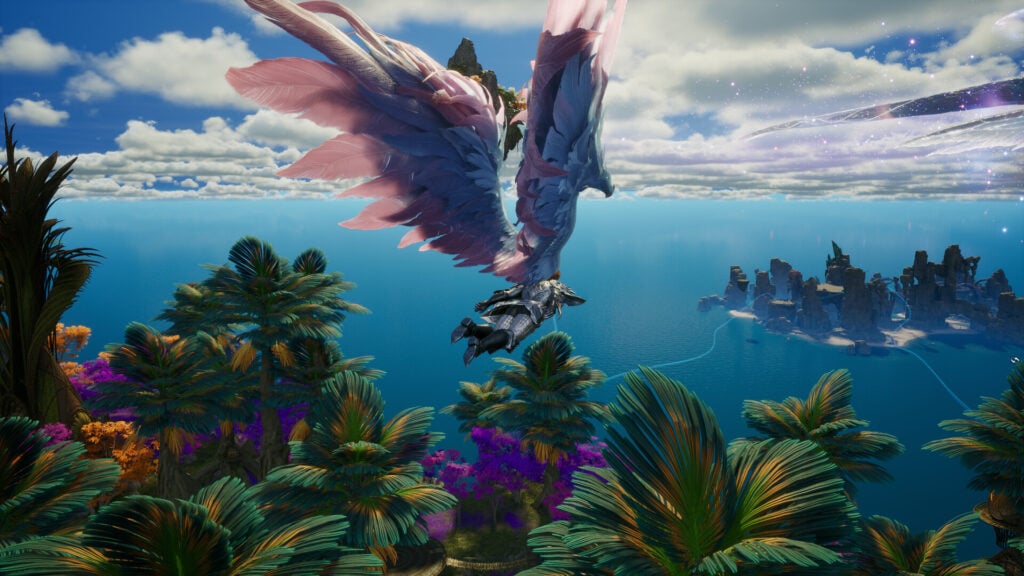
AION 2 will also allow players to exchange Kina and Quna through an in-game system. This is one of the more consequential parts of the model because it connects gameplay wealth and premium spending directly.
Based on the published plan, the system works like this:
- Players can exchange Kina for Quna
- Players can exchange purchased Quna back into Kina
- All exchanges happen between players
- The game does not directly sell the exchanged currency itself
There is a catch, and it is not a tiny one. The exchange also requires an active Membership.
In practice, this system gives free players a possible route toward premium currency through in-game earnings, while spenders can turn premium currency into marketplace power. That sort of exchange can make an MMO economy feel flexible, but it can also raise the usual pay-to-win concerns, especially in PvP-heavy games where resource flow matters almost as much as skill.
The detail to watch after launch is not just whether the exchange exists, but how fast rates move and whether ordinary players can realistically keep up. A player-driven exchange sounds elegant on paper. In live games, it can also turn into the kind of spreadsheet hobby that makes outsiders slowly back away.
AION 2 Membership Costs $15 Per Month
The optional subscription tier is priced at $15 per month. For that fee, Membership unlocks:
- Access to the player marketplace
- Access to the Kina ↔ Quna exchange
- Additional gameplay benefits
NCsoft also says Membership gives access to all gameplay content without requiring additional purchases using Kina. That wording will matter to players trying to figure out whether the sub feels like a convenience pass, an economy pass, or something closer to a soft requirement.
At face value, $15 lands right in familiar MMO territory. World of Warcraft’s standard subscription still sits at the same monthly price in the US, so AION 2 is not undercutting the market here. What makes it different is that the subscription sits inside a free-to-play structure rather than replacing it.
That also puts pressure on the value proposition. In a straight subscription MMO, everyone pays and gets the same basic access. In a hybrid model, players will immediately ask whether the free version is generous or simply a long audition for the monthly plan.
What The AION 2 Cash Shop Will Sell
The premium shop is split into cosmetics and consumables.
Cosmetics Include Wings, Pets, And Weapon Skins
On the cosmetic side, NCsoft says the shop will sell items such as:
- Outfits
- Wings
- Pets
- Weapon skins
- Accessories
These are presented as visual purchases only, not power items. For an MMO with a strong identity around flight and character style, that is not a small revenue lane. Wings are not just decoration in Aion. They are branding with altitude.
Cosmetics are also the least controversial way to make money from a live game, at least in theory. Players tend to accept vanity spending far more easily than stat boosts, especially in PvP spaces where everyone already suspects someone else bought a shortcut.
Consumables Are More Complicated
The consumable section includes buff potions, resurrection stones, and combat support items. NCsoft says these are meant to help during combat but are not intended to affect long-term progression or create a direct pay-to-win advantage.
The studio also says many of these consumables will be obtainable through regular gameplay.
This is the section players will inspect with a microscope. Cosmetics are easy. Consumables in a competitive MMO are where arguments start, spreadsheets appear, and Reddit loses its indoor voice.
The distinction is simple enough: if paid consumables save time without changing outcomes too much, most players will shrug and move on. If they start affecting fight consistency, farming efficiency, or survival in PvP, the mood can sour fast.
How The Daeva Pass Battle Pass Works

AION 2 will launch with a Battle Pass called the Daeva Pass. Like many modern live-service systems, it includes a free track and a premium track.
The standard track is available to every player, with rewards earned by progressing through in-game activities. The premium track is purchased using Quna.
Rewards can include:
- Cosmetics
- Temporary buffs
- Upgrade materials
- Other in-game currencies
An important detail here is that Quna gained through the player exchange can also be used for the premium pass. So, at least on paper, players who build enough in-game wealth may be able to access premium pass rewards without paying real money directly.
That is the more player-friendly part of the setup. The less friendly part is obvious: because the exchange itself sits behind Membership, the path from pure free play to premium rewards is not completely frictionless. It exists, but it is hardly lying around in the street.
Founder’s Packs Add Five Days Of Early Access
Before launch, AION 2 will sell Founder’s Packs for players who want to buy in early. These packs include cosmetics, consumables, and five days of early access.
That early access perk can be a flashpoint in economy-driven MMOs, because a five-day head start can snowball fast if early players flood markets, rush resources, or dominate PvP queues before everyone else arrives.
NCsoft’s answer is to separate Markets, Exchanges, and PvP matchmaking during the early access period. The idea is to stop Founder’s Pack buyers from crashing into the wider player base with a full-speed economy advantage on day one.
It is a practical move, and frankly one of the more sensible details in the whole plan. In a market where publishers often try to cut the middle layers out of business hotel booking style friction from their own sales funnel while adding three new layers for everyone else, a cleaner separation during early access is refreshingly direct.
What AION 2 Is Trying To Avoid With This Monetization Plan
NCsoft has already signaled that AION 2 is meant to be less aggressively monetized than Throne and Liberty. That context matters because players do not judge MMO stores in a vacuum. They compare them to every rough launch, every predatory convenience bundle, and every cash shop that somehow ended up selling power in a funny hat.
AION 2 is also not a tiny side project. It is positioned as a major MMORPG with PC and mobile support, Unreal Engine 5 visuals, eight classes, more than 200 solo and group dungeons, 1v1 arenas, large-scale faction warfare, and full 3D flight. With that scale comes a simple business reality: servers, live support, updates, and anti-cheat do not run on goodwill.
The balancing act is obvious. NCsoft wants broad access through free-to-play entry, while still steering part of the player base toward subscriptions, passes, shop purchases, and Founder’s Packs.
Player sentiment around this kind of model is usually mixed rather than neatly tribal. Some people are perfectly happy to pay for convenience if the core game is solid. Others have the patience of irish people traits jokes after a delayed Ryanair gate announcement, which is to say not much at all when basic systems feel locked up for paying users.
The Real Pressure Point Before September Launch
The broad structure is clear enough now. The unanswered part is how these systems feel once thousands of players start stress-testing them in the wild.
The biggest pressure points look like this:
- Whether Membership feels optional or functionally required
- Whether consumables stay in the convenience lane
- Whether the Kina and Quna exchange warps progression or PvP balance
- Whether early access separation is enough to protect the wider economy
Those are not side issues. In a game with trading, factions, competition, and premium currency conversion, the economy is part of the gameplay loop. If it feels fair, players settle in. If it does not, no amount of fancy wings will save the mood.
A few early signals will matter more than any marketing line:
- How expensive marketplace essentials become in Kina during the first weeks
- How much of the best convenience comes through Membership alone
- How often top PvP players rely on shop-linked consumables
- How easy it is for non-spenders to reach premium-pass value through normal play
What Players Should Take From AION 2’s Business Model Right Now
For now, AION 2 explains its business model ahead of global launch with more clarity than many online games manage before release. The foundation is visible: free access, paid convenience, premium cosmetics, a monthly Membership, player trading, and a two-way currency exchange.
That does not mean every debate is settled. It means players have a much better idea of where the friction points may be before the global launch begins in September.
The cleanest summary is this: getting into AION 2 should be easy. Staying competitive, trading efficiently, and navigating the premium economy may be a different story. As MMO fine print goes, that is about as important as it gets.