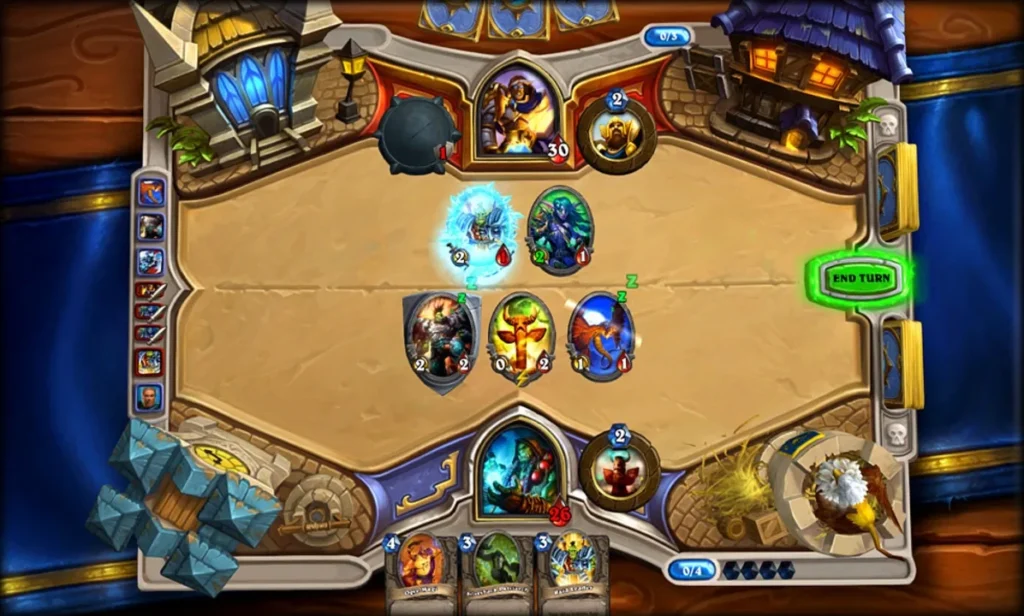
Hearthstone has a new expansion in the wild, and day one is already shaping up like the usual beautiful disaster. Escape From Violet Hold brings in 145 new cards across all 11 classes, plus new mechanics that could scramble early ladder queues in a hurry.
That means the first few days should be full of unfinished lists, greedy experiments, and at least one opponent doing something so rude you immediately hover over the concede button. The upside is simple: this is the best time to test decks before the meta hardens.
Here are 10 early deck ideas worth trying right away, from fast aggro and spell-heavy tempo shells to combo nonsense and one very self-aware meme pick.
Escape From Violet Hold Starts With Fast Pressure And Big Swing Turns
The early read on Escape From Violet Hold is that several classes got tools that either snowball stats quickly or create massive board swings once a single payoff card lands. That is classic day-one Hearthstone. If your opponent has not drawn the answer, the game can get silly fast.
A few themes show up repeatedly in these lists:
- Cheap setup into explosive payoff turns
- Mana cheating, because Hearthstone never truly changes
- Board flooding through spells or token generation
- Late-game inevitability in slower control shells
Some of these decks look immediately competitive. Others look like they were built by someone laughing while queueing ranked. Both kinds matter on day one.
Enrage Warrior Looks Like One Of The Fastest Ladder Decks
Enrage Warrior stands out as one of the cleaner early aggro options. The list leans into self-damage synergies, buffed minions, and cheap pressure that can spiral before slower decks stabilize.
The key interaction here is that several minions either enter buffed or become stronger after taking damage. Warden Maiev helps kick-start that plan, while cards like Ball and Chain and Rioter keep the stat math moving in your favor.
The biggest card to watch may be Warptooth. It can come down for free after you damage three friendly minions in a turn, which is the sort of sentence that tends to make aggressive players very happy and everybody else very tired. A free 3/3 with immediate face pressure is exactly the kind of tempo spike that wins ugly games.
If you want to climb quickly and punish slower experiments, Warrior looks like a strong place to begin.
Tempo Priest May Be Stronger Than Its Defensive Toolkit Suggests
Tempo Priest is not the first archetype many players expect to dominate a fresh format, but this version has some very real pressure points. It trades heavy control tools for minion-based tempo and some nasty scaling turns.
The standout threat is Soothsayer, especially when the new Prepare keyword helps reduce its cost. If that sticks, the board can become a problem in a hurry. Then things get more annoying with Schism, which creates a second copy and gives both minions Elusive.
That combination matters because it turns one large threat into two awkward threats that are harder to interact with. Priest also has some emergency sustain through Hold Them Off!, which grants a minion +5/+5 and Lifesteal. That can swing races against aggro decks that assumed the Priest player was already cooked.
This list looks less like classic attrition Priest and more like a deck that tries to win board, then make that board impossible to cleanly answer.
Turbo Ramp Druid Is Trying To Break Mana Again
Of course Druid found a way to do something unfair. It would have been weirder if it did not.
Turbo Ramp Druid is built around surviving until turn six, then jumping straight to 10 mana with Chef Neth’rek. The catch is that the deck needs to be built with cards that cost 3 or less, which sounds restrictive until you realize Druid has plenty of tools to make that shell function.
Cards like Horn of Plenty and Ebb and Flow help bridge the early game. Once the deck reaches 10 mana, the payoff package comes online with cards like Spiteful Chef, Lethal Recipe, and Mossbinding.
Azshara’s Triumph also adds late-game bulk, giving the deck larger threats to convert all that extra mana into actual pressure. This is one of the expansion’s clearest examples of a list that might look clunky at first glance but becomes terrifying if refined.
If the format slows even a little, Ramp Druid could become one of the early villains.
Tempo Mage Has A Serious Board Explosion Ceiling
Tempo Mage in this set is built around one obvious dream turn: land Jailhouse Manastorm, then let spellcasting do the rest. Once Manastorm is in play, spells summon minions of equal cost for the rest of the game.
That gives the deck a remarkably high ceiling. Cards like Relic of Kings and Code Violet can create giant boards in a hurry, especially if the opponent has already spent removal.
The list still needs to survive long enough to get there, which is why early and midgame spells such as Runed Orb and Alter Time matter. The Skeleton Key adds another layer of decision-making, since it helps dig for the spell you need but may cost health when refreshing options.
This deck looks ideal for players who like resource chains, spell sequencing, and giant payoff turns. It also looks capable of producing several screenshots that make your friends ask for the list immediately.
Jade Rogue Brings Back A Familiar Snowball
Yes, Jades are back. For some players, that sentence is exciting. For others, it is an ancient curse.
This time, the Rogue shell uses Aya, Lotus Kingpin to tie Jade Golem growth to Coins. That is important because Rogue has multiple ways to generate and exploit Coins, which means the scaling can ramp quickly while also helping cheat out more expensive cards.
The pressure point is not subtle. Every Coin fuels a larger body, and larger bodies are still very good at ending games. The list can also pivot into nastier burst lines, including interactions involving Garona Halforcen and King Llane that can sharply reduce the opponent’s health.
Day one is usually friendly to decks with easy-to-understand scaling and punishing midgame turns. Jade Rogue checks both boxes.
Blight Death Knight Wants The Game To Go Long
Blight Death Knight looks like one of the stronger slow-burn control options in the early batch. The plan is straightforward in the most unpleasant way possible: shuffle plagues into the opponent’s deck, stay alive, and let inevitability do the dirty work.
[amazon_products keywords=”Blight Death Knight Wants The Game” item_count=”1″ search_index=”VideoGames”]
Disguised Doctor is one of the more devious tools here because it can be played on the opponent’s side of the board. That sabotage setup works neatly with The Living Plague, a legendary that can plant at least seven plagues at once.
That number matters a lot in the late game, when extra draws are more likely to convert directly into damage or disruption. The deck also gets a second angle through Blood Doctor Thal’ena, which grants a Hero Power that buffs a minion’s attack for three Corpses. In plain terms, Corpses are the Death Knight resource generated as minions die, so this is a way to turn attrition into extra pressure.
Drink Blood refreshing the Hero Power helps that damage stack up faster than expected. If early aggro does not run the table, this deck has a real chance to become a ladder headache.
Rafaam Warlock Could Be The Greediest Control Deck On Day 1
Rafaam Warlock looks built for players who want every game to last forever until the opponent runs out of hope. The centerpiece is a package that actively benefits from overdrawing key Rafaam cards, because they return to hand at a lower cost.
That changes the usual downside of card fatigue and makes the deck’s control tools even more annoying. If the Warlock stabilizes, the pressure shifts hard onto the other side of the board.
Moragg adds another heavy threat by pulling high-cost Demons from the deck onto the battlefield. That means cards like Mo’arg Forgefiend and Asphyxiodon are not just late-game finishers. They can become midgame swing pieces that demand immediate answers.
This is one of the clearer examples of a list that may punish unrefined day-one decks simply by outlasting their damage and then dropping oversized threats.
Combo Hunter Has One-Turn Kill Potential If Everything Goes Right
There is always at least one day-one deck that reads like a lab experiment, and Combo Hunter is proudly carrying that torch. The build centers on King of the Underbelly, a legendary that lets Hunter include Beasts from other classes and access them through Discover.
The combo line uses Gruesome Nightmare, which can give its Attack to a friendly minion. From there, the list stacks multiple interactions: cost reduction from King of the Underbelly, extra Attack from the Imbue Hero Power, duplication through Tending Dragonkin, and action doubling from Chrono-Lord Deios.
If the pieces line up and there is no active Taunt in the way, the Hunter can hit for well over 30 damage in one turn. That is the good news. The less good news is that several moving parts need to cooperate, which means this list may be stronger as a highlight machine than a reliable ladder farm tool.
Still, if you enjoy OTK setups and long combo turns, this one has obvious appeal.
Spell Shaman Has A Fresh Hero Power Hook
Spell Shaman may end up as one of the expansion’s more fun experiments. The big attraction is Mug’Zee, which gives a different Hero Power depending on whether the deck is built around minions or spells.
The spell-heavy version is especially interesting because Shaman can still create board presence through spell generation, so skipping a traditional minion package is not as punishing as it sounds. Thanks to Mug’Zee’s Hero Power, those generated minions can also be played at a lower cost.
Tiny Pal, the new legendary weapon, adds extra unpredictability by using different effects each turn. That makes the deck feel less scripted than some of the expansion’s more obvious all-in strategies.
It may not be the safest craft if you only care about win rate, but it looks like a solid choice for players who want to explore new class texture instead of just chasing the fastest deck.
Meme Paladin Is Here For Chaos, Not Win Rate
Every launch needs one deck that exists for the bit. Meme Paladin fills that role nicely.
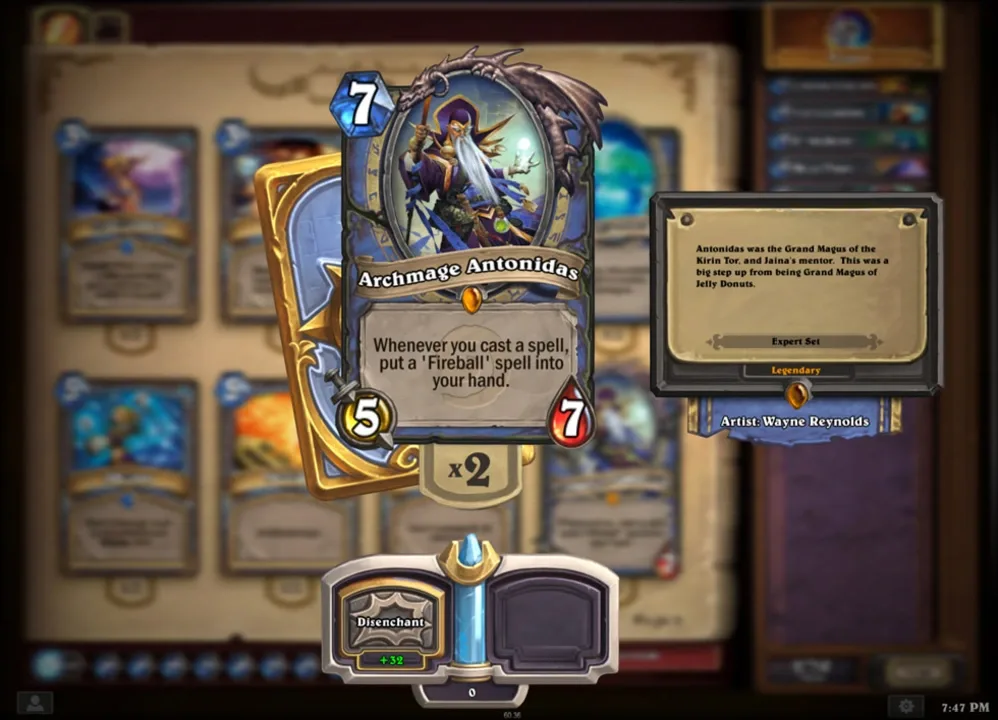
The core gimmick is stacking Captured Archmage and trying to trigger a wave of Fireballs after four copies die over the course of a game. The quickest activation route uses Wild Pyromancer with Equality, letting the Paladin clear the board and accelerate those death counts at the same time.
Is it consistent? Not really. Is it effective enough to recommend for serious climbing? Also no. But if you like strange payoff decks and the occasional match that ends in complete nonsense, this is exactly the kind of launch-week list worth sleeving up.
Not every day-one deck has to be efficient. Some of them just need to be very funny when they work.
Best Day 1 Escape From Violet Hold Decks By Playstyle
If you are staring at the collection screen and want a faster answer, here is the short version.
- For fast ladder climbing: Enrage Warrior
- For tempo and sticky threats: Tempo Priest
- For mana cheating and late-game blowouts: Turbo Ramp Druid
- For spell chaining and giant boards: Tempo Mage
- For scaling midgame pressure: Jade Rogue
- For slow inevitability: Blight Death Knight
- For greedy control fans: Rafaam Warlock
- For combo enthusiasts: Combo Hunter
- For experimentation: Spell Shaman
- For pure launch-week nonsense: Meme Paladin
Early Escape From Violet Hold Meta Trends To Watch
It is still day one, so none of these lists should be treated as solved. A few will fade once players optimize removal packages and mulligans. A few others will probably get sharper once more people tune the numbers.
The biggest early questions look like this:
- Can fast decks punish Druid before the 10-mana turn?
- Will Mage and Priest keep sticking oversized boards?
- How many lists can survive plague pressure from Death Knight?
- Is Combo Hunter real, or just one of those decks that wins exactly when somebody is recording?
That uncertainty is the fun part. During the first week of a Hearthstone expansion, the ladder is basically a live-fire testing ground with prettier card art.
Escape From Violet Hold is live now, and the opening batch of decks already looks varied enough to keep early queues interesting. If you want the safest first craft, start with the archetype that matches how you already play. If you want the true day-one experience, queue something reckless and see what happens. Hearthstone at launch is supposed to be a little unhinged.