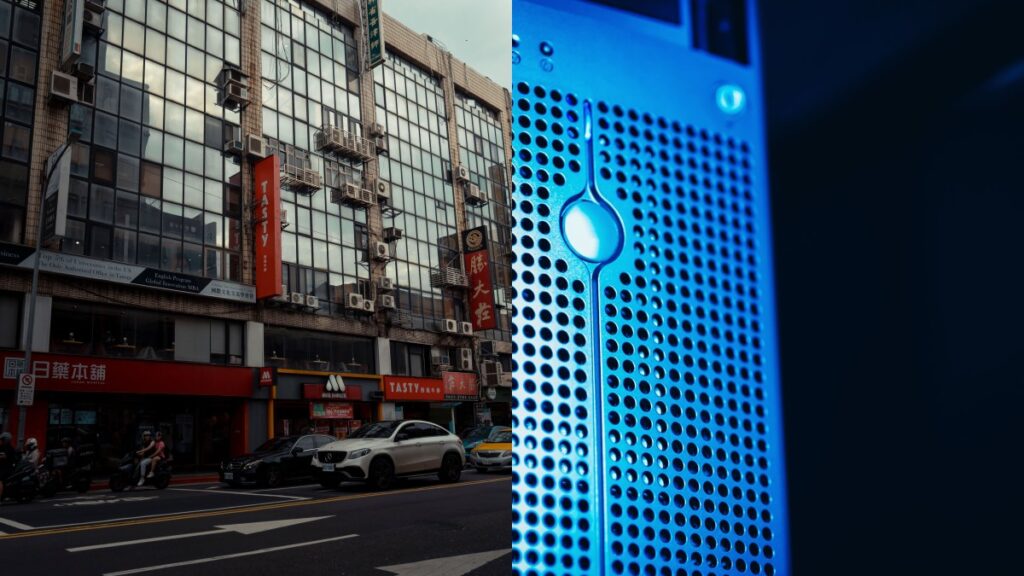
Super Micro‘s Taiwan offices were raided as part of an investigation into alleged smuggling of Nvidia chips to China, a development that quickly spilled beyond finance headlines into a bigger question about how tightly advanced AI hardware is really being controlled. If you follow the PC, server, and AI ecosystem, this matters because Super Micro sits in a key position between chipmakers and the systems that end up in data centers around the world.
The confirmed facts are narrow but significant. Investigators in Taiwan searched Super Micro offices, and authorities also raided the homes of six individuals plus offices tied to three other companies connected to the probe. Super Micro said it is cooperating with law enforcement and government officials in Taiwan and other jurisdictions where it operates.
For readers looking for the quick answer, the immediate takeaway is simple: this is an active legal and supply-chain story, not a product launch story, but it still matters to anyone tracking AI infrastructure, export controls, and the companies building the machines behind modern gaming and cloud services.
Quick answer: what happened and why it matters
Taiwan authorities raided Super Micro facilities during an investigation into alleged shipments of Nvidia chips to China. Super Micro said it is working with investigators and described its position as protecting advanced technology and intellectual property while ensuring its products are distributed lawfully.
The broader reason this matters is that Super Micro is not a fringe name. It is a major server maker deeply tied to AI system demand. Nvidia chips power a huge share of the current AI boom, and restrictions around where those chips can go have become a central issue for governments and hardware companies.
That means a raid like this does not just create legal pressure. It also raises questions about compliance, reseller chains, hardware tracing, and whether export-control systems are keeping up with demand.
What has been confirmed so far

Several points are publicly established.
- Super Micro offices in Taiwan were raided by investigators.
- The probe involves alleged smuggling of Nvidia chips to China.
- Authorities also searched the homes of six individuals.
- Three other company offices connected to the investigation were also raided.
- Super Micro said it continues to cooperate with law enforcement and government officials.
Details beyond that remain limited. The identities of the six individuals and the three other companies were not disclosed in the source material available here. No charges, product quantities, or specific Nvidia models were identified in the supplied information.
That gap matters. A raid signals a serious investigation, but it is not the same as a final legal finding. Readers should separate confirmed enforcement action from assumptions about guilt or scope.
Why gamers and tech readers should care about an AI chip investigation
At first glance, this can look like a business-only story. In practice, it touches the same hardware ecosystem that shapes gaming PCs, cloud infrastructure, and the companies investing in next-generation graphics and AI tools.
Nvidia’s role in gaming makes any supply-chain controversy worth watching. The company spans GeForce graphics cards, data center accelerators, developer tools, and AI platforms that increasingly influence how games are built, tested, localized, and scaled.
Super Micro, meanwhile, is known for server and infrastructure systems rather than consumer gaming hardware. But infrastructure companies matter because they assemble and deploy the machines that power cloud services, AI workloads, live-service back ends, and enterprise compute.
If export enforcement tightens further, the pressure can ripple outward in ways players notice indirectly, including data center capacity, cloud pricing, AI service deployment, and how fast companies can scale hardware-heavy features.
What Super Micro said
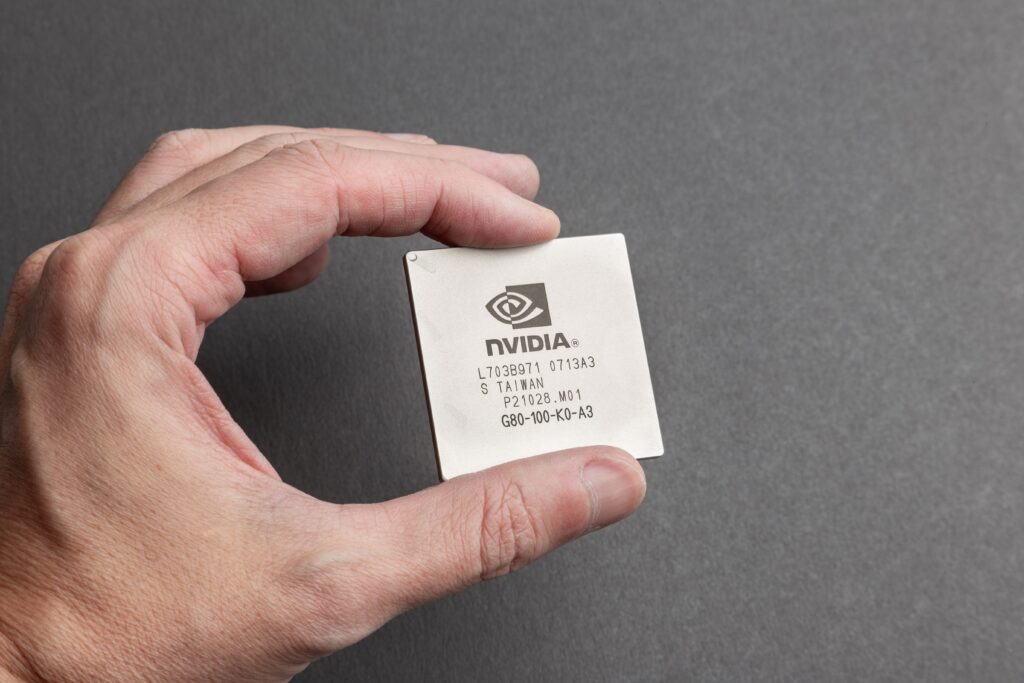
Super Micro said it is committed to protecting advanced technologies and intellectual property. The company also said its products have continued to be targeted in these matters and that it is cooperating with law enforcement and government officials in Taiwan and elsewhere to ensure its technology is distributed lawfully.
That statement is important for two reasons. First, it confirms the company is not presenting the searches as unrelated routine activity. Second, it frames the issue around product distribution and compliance rather than around product defects or performance.
There is no indication in the supplied information that consumer products are being recalled or that existing systems are being shut down. The story at this stage is about investigation and distribution controls.
How the market reacted
The market response was immediate. Super Micro shares fell roughly 8 percent on the day and closed at $194.97. Nvidia initially dropped as well, then recovered and ended the trading session up about 1 percent.
That split reaction says a lot. Investors treated Super Micro as the company facing the direct headline risk, while Nvidia absorbed the news without a sustained selloff by the close. That does not mean the issue is minor for Nvidia. It suggests the market currently sees the greater legal and reputational pressure on the systems side of the chain.
The bigger issue is export control enforcement
The real long-tail story here is enforcement. Advanced Nvidia hardware has been central to debates over export restrictions and the movement of high-performance AI chips across borders. Demand for that hardware remains intense, which creates incentives for gray-market activity and for authorities to tighten oversight.
For anyone who watches gaming hardware, this is a familiar pattern in a different lane. When a component becomes strategically important, it stops being just a product story and becomes a policy story too.
That can affect:
- How distributors and integrators are vetted
- How server systems are tracked after shipment
- How companies document end users and destinations
- How regulators respond when controls appear to fail
Those are not abstract concerns. They shape who gets hardware, how fast they get it, and how much scrutiny follows every transaction.
What is still unclear
Right now, several major questions remain unanswered. The supplied information does not identify which Nvidia chips were allegedly involved, how the alleged smuggling worked, or whether investigators are focused on internal misconduct, partner activity, outside intermediaries, or multiple layers at once.
It is also not yet clear whether this will remain a Taiwan-centered case or expand into a broader multinational compliance issue. Super Micro’s reference to cooperation in multiple jurisdictions suggests the matter could have cross-border dimensions, but the extent is not publicly defined here.
That uncertainty is why readers should avoid overreading the stock move or assuming a final outcome before authorities disclose more.
Where this story goes next
The next phase to watch is official clarification. Readers should look for any statements from Taiwan investigators, additional comments from Super Micro, and any formal disclosures that identify the hardware involved, the relevant entities, or potential legal consequences.
You should also watch for signs of wider industry impact. If the case leads to stricter compliance measures or fresh export-control pressure, it could affect more than one company. In AI infrastructure, one enforcement action can quickly become a supply-chain warning for everyone else.
For now, the core facts are straightforward: Taiwan investigators raided Super Micro offices during a probe into alleged Nvidia chip smuggling to China, related homes and businesses were also searched, and Super Micro says it is cooperating. The rest of the story depends on what authorities uncover next and whether this remains an isolated investigation or becomes a larger test of AI hardware enforcement.
Useful official context on export restrictions and AI hardware policy can be found through the U.S. Bureau of Industry and Security, while company background is available from Super Micro and Nvidia.